Top Most Popular Treks in Nepal
29 Nov 2024
Nepal is celebrated as one of the world's premier trekking destinations, drawing adventurers from all corners of the globe. With its majestic Himalaya...


Mera Peak (6,476m) is one of Nepal’s most popular trekking peaks, offering breathtaking views of five of the world’s highest mountains—Everest, Lhotse, Makalu, Kanchenjunga, and Cho Oyu. Climbing Mera Peak is a fantastic adventure for beginners looking to experience high-altitude mountaineering in the Himalayas without technical climbing skills. This guide will help you understand everything you need to know about Mera Peak, from preparation and trekking routes to permits and safety tips.
Whether you are an experienced trekker looking to step into mountaineering or an adventurous traveler wanting to push your limits, Mera Peak is an excellent choice. The climb is challenging but manageable, with gradual altitude gain and fewer technical sections. With the right guidance and preparation, you can turn this dream into a reality.
Mera Peak (6,476m) is one of Nepal’s most renowned trekking peaks, offering climbers a perfect balance of adventure and accessibility. Situated in the remote Hinku Valley of the Everest region, this peak provides breathtaking panoramic views of five of the world’s highest mountains—Everest, Lhotse, Makalu, Cho Oyu, and Kanchenjunga. The climb is classified as a trekking peak, meaning it does not require extensive technical mountaineering experience, making it an excellent choice for beginners looking to test their endurance at high altitudes.
Despite being a relatively non-technical climb, Mera Peak still presents challenges, such as high-altitude trekking, glacier crossings, and unpredictable mountain weather. Proper acclimatization, physical fitness, and preparation are essential to successfully summit. The journey to Mera Peak is an adventure in itself, taking climbers through dense rhododendron forests, remote Sherpa villages, and stunning glacial landscapes, offering a rich blend of culture and nature.
What Makes Mera Peak an Ideal First Himalayan Climb?
For aspiring mountaineers, Mera Peak is an excellent introduction to high-altitude climbing. Unlike more technical peaks, the ascent mainly involves walking on snow and ice, requiring basic crampon and ice axe skills rather than advanced mountaineering techniques. This makes it an attractive option for trekkers who wish to experience the thrill of summiting a Himalayan peak without the need for extensive climbing experience.
Another key factor that makes Mera Peak an ideal first climb is its well-paced itinerary, which includes ample acclimatization opportunities. The trek to Mera Peak Base Camp allows climbers to gradually adjust to the altitude, reducing the risk of acute mountain sickness (AMS). Additionally, the climb provides a taste of real expedition-style trekking, including camping in the high Himalayas, glacier travel, and breathtaking summit views, making it a rewarding adventure for beginners.
Mera Peak vs. Other Trekking Peaks: Why Choose It?
Among Nepal’s trekking peaks, Mera Peak stands out for its relatively straightforward ascent and unparalleled panoramic views. Compared to Island Peak (6,189m), which has a steep headwall and technical ice climbing sections, Mera Peak offers a more gradual climb, making it more suitable for beginners. Similarly, peaks like Lobuche East (6,119m) and Pisang Peak (6,091m) involve more technical sections, requiring advanced ropework and ice climbing skills.
Mera Peak also offers a more remote and less crowded experience than many other trekking peaks. The trail to Mera Peak passes through pristine forests, high-altitude pastures, and isolated Sherpa settlements, providing a more immersive Himalayan experience. For those looking for a challenging but achievable climb with a strong focus on high-altitude trekking rather than technical climbing, Mera Peak is one of the best options.
The History and Significance of Mera Peak
Mera Peak was first climbed in 1953 by British climbers J.O.M. Roberts and Sen Tenzing, a period when Nepal was just opening up to the world for trekking and mountaineering. Since then, it has become one of the most popular trekking peaks in Nepal, attracting climbers from around the globe. The peak is considered a gateway for those aspiring to climb higher mountains like Everest and Lhotse, as it helps in building high-altitude experience and endurance.
Apart from its mountaineering appeal, Mera Peak holds cultural significance for the Sherpa communities living in the Hinku Valley. The route to Mera Peak passes through ancient monasteries, sacred mani walls, and traditional Sherpa villages, offering climbers a glimpse into the rich Himalayan culture. The climb is not just about reaching the summit—it’s about experiencing the beauty, tradition, and spirit of the Himalayas, making Mera Peak an unforgettable journey.
Mera Peak may be one of Nepal’s most accessible trekking peaks, but it still requires thorough preparation to ensure a successful and safe ascent. The journey to the summit involves trekking through remote and rugged terrain, crossing glaciers, and enduring extreme altitudes. Proper planning includes choosing the right season for climbing, typically pre-monsoon (March to May) and post-monsoon (September to November), when weather conditions are stable, and the skies are clear for breathtaking views.
Apart from seasonal considerations, climbers must plan their itinerary wisely to allow for adequate acclimatization. The route to Mera Peak Base Camp includes several high-altitude villages and rest days, which help the body adapt to lower oxygen levels. Additionally, arranging a guided expedition with experienced trekking companies like Adventure Metro Everest Travel & Treks ensures logistical support, expert guidance, and enhanced safety throughout the journey.
Essential Gear Checklist for Mera Peak Climbing
Having the right gear is crucial for a successful climb. Since Mera Peak involves high-altitude trekking and glacier travel, climbers must be equipped with both trekking and mountaineering gear. Key clothing items include moisture-wicking base layers, insulated jackets, waterproof outer shells, thermal gloves, and warm headwear to protect against extreme cold.
Technical climbing gear such as crampons, an ice axe, a harness, and a helmet is essential for navigating the glacial sections of the climb. Additionally, a sturdy pair of mountaineering boots is necessary to provide warmth and ankle support on icy terrain. Other vital items include high-SPF sunscreen, UV-protection sunglasses, a sleeping bag rated for extreme cold, and a reliable backpack. For those new to mountaineering, gear rental options are available in Kathmandu and Lukla, allowing climbers to acquire high-quality equipment without the need for a large investment.
Physical Fitness and Training Tips for First-Time Climbers
Mera Peak may not require advanced technical climbing skills, but it demands excellent physical fitness and endurance. Since the trek involves long days of walking on rugged terrain with steep ascents and descents, climbers should train well in advance to build strength, stamina, and cardiovascular fitness. A combination of aerobic exercises such as running, hiking, cycling, and swimming can help improve lung capacity and endurance, crucial for coping with the reduced oxygen levels at high altitudes.
Strength training should also be incorporated into the training plan, focusing on core stability, leg strength, and overall muscle endurance. Exercises like squats, lunges, step-ups, and weighted hikes will prepare climbers for carrying backpacks and navigating steep trails. Additionally, practicing with a loaded backpack on uphill terrain helps simulate the conditions of the trek. Mental resilience is equally important—long hours of trekking in challenging weather conditions require determination and a positive mindset to reach the summit successfully.
Understanding Altitude Sickness: Prevention and Treatment
One of the biggest challenges of climbing Mera Peak is dealing with altitude sickness, which occurs due to reduced oxygen levels at high elevations. Symptoms can range from mild headaches and nausea to more severe conditions such as High Altitude Pulmonary Edema (HAPE) or High Altitude Cerebral Edema (HACE), which can be life-threatening if not addressed promptly. Acclimatization is the best preventive measure, and the Mera Peak itinerary is designed with gradual altitude gain and rest days to allow the body to adjust.
Hydration, proper nutrition, and a slow ascent are key to preventing altitude sickness. Climbers should drink plenty of water, avoid alcohol and tobacco, and consume carbohydrate-rich meals for sustained energy. Carrying medications such as Diamox (acetazolamide) can help alleviate symptoms, but it should only be taken under medical guidance. If symptoms worsen, the best treatment is immediate descent to a lower altitude. Trekking with experienced guides from Adventure Metro Everest Travel & Treks ensures that climbers receive the necessary support and care in case of altitude-related issues.
Permits and Regulations: What You Need to Know Before You Go
Climbing Mera Peak requires several permits, which must be obtained before starting the trek. The primary permit is the Mera Peak Climbing Permit, issued by the Nepal Mountaineering Association (NMA). The cost varies based on the season—higher during peak climbing months and lower in the off-season. Additionally, trekkers must obtain the Makalu Barun National Park Entry Permit, as Mera Peak lies within the park’s protected area.
Another essential permit is the Khumbu Pasang Lhamu Rural Municipality Permit, which is required for trekking in the Everest region. These permits help fund conservation efforts and support local communities. It’s advisable to arrange these permits through a registered trekking agency like Adventure Metro Everest Travel & Treks, ensuring hassle-free processing. Climbers should also be aware of environmental regulations, such as waste disposal rules and ethical trekking practices, to minimize their impact on the fragile Himalayan ecosystem.
Embarking on a Mera Peak expedition requires careful planning to ensure a smooth and successful climb. Unlike standard treks, high-altitude climbing involves multiple factors, including route selection, acclimatization schedules, permit arrangements, and logistical support. It’s crucial to plan well in advance, ideally booking a guided expedition with an experienced trekking company like Adventure Metro Everest Travel & Treks. A guided trip not only takes care of permits and logistics but also provides professional guidance, making the climb safer and more enjoyable.
When planning, climbers must also consider personal fitness levels, training schedules, and necessary gear. It’s recommended to start training at least two to three months before the expedition, focusing on endurance, strength, and altitude adaptation. Additionally, booking flights to Lukla, arranging accommodations in Kathmandu, and understanding the daily trekking itinerary will help climbers mentally and physically prepare for the journey. Proper planning ensures that climbers can focus on the experience itself rather than worrying about last-minute arrangements.
Best Time to Climb Mera Peak: Weather and Seasonal Guide
The success of a Mera Peak climb largely depends on choosing the right season. The best time to attempt the climb is either in spring (March to May) or autumn (September to November), when the weather is stable, the skies are clear, and the chances of snowfall are lower. During these months, the temperatures are more manageable, and visibility is excellent, offering breathtaking views of Everest, Lhotse, Makalu, and other Himalayan giants.
Spring is ideal for those who enjoy blooming rhododendrons and moderate temperatures, whereas autumn is perfect for crisp mountain air and post-monsoon clarity. Winter (December to February) is not recommended due to extreme cold, heavy snowfall, and harsh conditions, making the climb significantly more challenging. The monsoon season (June to August) brings heavy rains and landslides, making the trails muddy and dangerous. Choosing the right season enhances the overall climbing experience, ensuring safety and enjoyment throughout the journey.
Mera Peak Climbing Routes: Standard vs. Alternative Approaches
There are two main routes to Mera Peak: the standard route via the Zatrwa La Pass and the alternative route through the remote Hinku Valley. The standard route is the most popular and widely used by climbers. It begins with a flight to Lukla, followed by a trek over the Zatrwa La Pass before descending into the Hinku Valley. This route provides a quicker ascent but requires proper acclimatization due to the initial rapid altitude gain.
The alternative route, which follows the longer approach through Paiya, Panggom, and Ningsow, is gaining popularity as it allows for better acclimatization and a more gradual ascent. It avoids the steep Zatrwa La Pass crossing, making it a safer and more scenic journey. This route passes through lush forests, remote Sherpa villages, and beautiful alpine landscapes, providing a more immersive Himalayan trekking experience before reaching Mera Peak Base Camp. While it takes a few extra days, it significantly reduces the risk of altitude sickness, increasing the chances of a successful summit.
Mera Peak Climbing Itinerary (15 Days)
A standard 15-day itinerary for Mera Peak follows a carefully planned acclimatization schedule to ensure climbers adjust to the high altitude before the summit push.
Day 1: Fly from Kathmandu to Lukla & trek to Paiya (2,730m)
Day 2: Trek to Panggom (2,846m)
Day 3: Trek to Ningsow (2,863m)
Day 4: Trek to Chhatra Khola (2,800m)
Day 5: Trek to Kothe (3,691m)
Day 6: Trek to Thaknak (4,358m)
Day 7: Trek to Khare (5,045m)
Day 8: Climbing training & acclimatization at Khare
Day 9: Trek to Mera High Camp (5,780m)
Day 10: Summit Mera Peak (6,476m) & return to Khare
Day 11: Reserved day (in case of bad weather)
Day 12: Return to Kothe
Day 13: Return to Thuli Kharka
Day 14: Return to Lukla
Day 15: Fly back to Kathmandu
This itinerary ensures proper acclimatization and allows climbers enough time to adapt to the increasing altitude. Having a reserved day provides flexibility in case of delays due to weather conditions, increasing the chances of a successful summit attempt.
What to Expect on a Guided Mera Peak Expedition
A guided expedition to Mera Peak offers several advantages, especially for first-time climbers. With a professional team of guides, porters, and support staff, climbers receive expert navigation, safety management, and logistical support throughout the journey. Adventure Metro Everest Travel & Treks ensures that climbers are well-prepared, providing a structured itinerary, high-altitude training, and emergency support to make the experience as smooth as possible.
On a guided expedition, all logistics, including food, accommodation, permits, and transportation, are taken care of. Climbers will also receive pre-climb training at Khare, where they will learn essential mountaineering skills such as using crampons, ice axes, and rope techniques. Guides continuously monitor the health and acclimatization progress of climbers, ensuring safety at every step. Additionally, traveling in a group fosters a sense of camaraderie, making the climb an enjoyable and memorable experience. Whether you are a beginner or an experienced trekker looking to step into high-altitude mountaineering, a guided expedition provides the best chance of a successful and fulfilling summit experience.
Mera Peak climbing is not just about reaching the summit; the journey itself is an unforgettable experience. The trek takes climbers through lush forests, remote mountain villages, and dramatic high-altitude landscapes, offering a perfect blend of adventure and natural beauty. Unlike the crowded trails of the Everest Base Camp trek, Mera Peak’s route is quieter and more immersive, allowing trekkers to experience the true wilderness of the Himalayas.
The trek gradually increases in difficulty as it ascends from low-altitude forests to barren alpine terrain, requiring patience and stamina. Each day brings new scenery, from rhododendron-covered hills to vast glaciers and snow-covered peaks. Trekkers will also get the opportunity to interact with the local Sherpa and Rai communities, gaining insights into their traditional lifestyle and culture. The combination of physical challenge, cultural encounters, and breathtaking landscapes makes Mera Peak a truly rewarding experience.
Kathmandu to Lukla: The First Step of Your Adventure
The journey to Mera Peak begins with an exhilarating flight from Kathmandu to Lukla, one of the most thrilling air routes in the world. This 35-minute flight offers jaw-dropping views of the Himalayas before landing at Tenzing-Hillary Airport, a small airstrip perched on a mountainside. Due to its short runway and unpredictable weather conditions, flights to Lukla can be delayed or canceled, so trekkers must be prepared for potential changes in schedule.
Upon arrival in Lukla, the real adventure begins as the trek officially starts. Unlike the Everest Base Camp route, which heads north towards Namche Bazaar, the trail to Mera Peak turns south, descending through lush forests and traditional Sherpa villages. The first day of trekking is relatively easy, helping trekkers adjust to the altitude and pace. It’s essential to start slowly, stay hydrated, and enjoy the breathtaking scenery, as this marks the beginning of an epic high-altitude journey.
Trekking Through the Hinku Valley: Scenery and Challenges
The Hinku Valley is one of Nepal’s most remote and stunning trekking regions. As trekkers progress deeper into the valley, they leave behind the busy trails of the Everest region and enter a quieter, untouched wilderness. The path winds through dense rhododendron and pine forests, crossing suspension bridges over roaring rivers and passing small villages where the local Rai and Sherpa people still live a traditional lifestyle.
Despite its beauty, the trek through the Hinku Valley presents some challenges. Trekkers will face steep ascents and descents, rocky trails, and unpredictable weather. As the altitude increases, the terrain changes dramatically—from green forests to barren alpine landscapes, with towering snow-capped peaks dominating the skyline. Proper acclimatization is crucial, as altitude sickness can become a concern. However, the sense of isolation, the fresh mountain air, and the breathtaking scenery make this part of the journey a truly unique experience.
Mera Peak Base Camp to High Camp: Acclimatization and Preparation
Arriving at Mera Peak Base Camp (5,350m) is a significant milestone in the journey, as it marks the transition from trekking to high-altitude climbing. At this stage, trekkers must focus on acclimatization, ensuring their bodies adjust to the reduced oxygen levels. A training day at Khare (5,045m) is usually included in the itinerary, where climbers learn essential mountaineering techniques such as using crampons, ice axes, and rope systems. This training is especially beneficial for those with little or no mountaineering experience.
From Base Camp, climbers make their way to Mera High Camp (5,780m), which involves navigating through steep glacier terrain. The climb to High Camp is short but challenging, as the high altitude makes every step more exhausting. Upon reaching High Camp, climbers are rewarded with jaw-dropping views of Everest, Lhotse, Makalu, and Kanchenjunga. Here, the team rests, hydrates, and mentally prepares for the final push to the summit. A good night’s rest is essential, as summit day begins in the early hours of the morning.
Summit Day: A Step-by-Step Breakdown of the Final Ascent
Summit day is the most challenging yet exhilarating part of the Mera Peak expedition. The climb starts around 2:00 AM, with climbers making their way up under the light of headlamps. The ascent involves a steady uphill trek over snow-covered slopes, requiring endurance and determination. While Mera Peak is considered a non-technical climb, climbers must use crampons and an ice axe to navigate the glacier and occasionally use a rope for safety in crevassed sections.
As the sun rises, the summit comes into view, boosting climbers’ motivation. The final stretch is the most demanding, as oxygen levels drop significantly. However, reaching the Mera Peak summit (6,476m) is a truly unforgettable moment. From the top, climbers are rewarded with panoramic views of five of the world’s highest peaks—Everest, Lhotse, Makalu, Cho Oyu, and Kanchenjunga. After celebrating and taking in the breathtaking scenery, climbers begin their descent back to Khare, a long but rewarding journey that marks the successful completion of an incredible adventure.
Climbing Mera Peak is a rewarding adventure, but it comes with its fair share of challenges. The high altitude, extreme cold, and long trekking days can test a climber’s endurance and mental strength. One of the biggest challenges is altitude sickness, which can affect anyone, regardless of fitness level. Symptoms such as headaches, dizziness, nausea, and shortness of breath can develop if acclimatization is not properly managed. Trekking slowly, staying hydrated, and taking acclimatization days are crucial in preventing altitude-related issues.
Another major consideration is the unpredictable weather conditions in the Himalayas. Sudden storms, heavy snowfall, and strong winds can make the climb more difficult or even delay summit attempts. It’s important to pack the right gear, be flexible with the itinerary, and be prepared for possible delays. Additionally, physical fitness plays a huge role in a successful summit. The trek involves steep ascents, rocky terrain, and glacier travel, requiring good endurance and leg strength. Proper training before the trip, including cardio and strength exercises, can significantly improve a climber’s chances of success.
Common Mistakes Beginners Make on Mera Peak (and How to Avoid Them)
For many climbers, Mera Peak is their first high-altitude mountaineering experience, which means beginners often make mistakes that can impact their summit attempt. One of the most common errors is rushing the acclimatization process. Some trekkers push too hard, trying to reach higher camps quickly without giving their bodies enough time to adjust to the altitude. This increases the risk of Acute Mountain Sickness (AMS) and can force climbers to abandon their summit attempt. The best way to avoid this mistake is to follow a gradual ascent schedule and listen to the body’s signals.
Another frequent mistake is not packing the right gear. Mera Peak’s extreme temperatures demand high-quality, insulated clothing and proper mountaineering boots. Many climbers underestimate the cold and end up suffering from frostbite or hypothermia. Packing lightweight but warm layers, waterproof gloves, and high-altitude sunglasses is essential. Additionally, not training properly before the trek can lead to exhaustion. Mera Peak requires strong legs and good cardiovascular fitness, so training with uphill hikes, stair climbing, and weighted backpack walks can make a significant difference in performance.
How to Deal with Extreme Cold and Harsh Conditions
Mera Peak’s high-altitude environment means dealing with freezing temperatures, strong winds, and occasional blizzards. At night, temperatures can drop to -20°C (-4°F) or lower, making it essential to have a high-quality sleeping bag rated for extreme cold. Layering properly is key—using a moisture-wicking base layer, an insulating mid-layer, and a windproof outer layer helps maintain body heat while preventing excessive sweating.
Keeping hands and feet warm is especially important to avoid frostbite. Insulated gloves, thick socks, and high-altitude mountaineering boots are necessary. Climbers should also keep energy levels up by eating high-calorie meals and staying hydrated, even if they don’t feel thirsty. At high altitudes, the body dehydrates faster, and dehydration increases the risk of altitude sickness. Carrying a thermos with warm water or tea can help maintain hydration in freezing conditions. Being prepared for harsh weather by checking forecasts and having extra gear can make all the difference in ensuring a safe and comfortable climb.
Hiring a Guide vs. Going Solo: Pros and Cons
One of the biggest decisions climbers face is whether to hire a guide or attempt Mera Peak solo. Each option has its advantages and challenges, depending on the climber’s experience level and preferences.
Hiring a Guide – Pros:
Hiring a Guide – Cons:
Going Solo – Pros:
Going Solo – Cons:
For beginners, hiring a guide through a reputable company like Adventure Metro Everest Travel & Treks is highly recommended, as it ensures a safer and smoother journey. Experienced mountaineers with prior high-altitude trekking experience may consider going solo, but even they must be well-prepared and cautious.
Reaching the summit of Mera Peak (6,476m) is a momentous achievement, but the journey doesn’t end there. After the exhilaration of standing atop the peak and taking in the breathtaking Himalayan panorama, climbers must focus on a safe descent, recovery, and post-expedition reflections. The descent back to Khare and further down to lower altitudes can be physically demanding, as fatigue sets in after the long summit push. However, descending is crucial for proper acclimatization recovery, as the oxygen levels increase, and the body begins to regain its strength.
Beyond the physical aspects, climbers often experience a sense of personal growth and fulfillment. The Mera Peak expedition is not just about reaching the top—it’s about perseverance, pushing limits, and overcoming challenges. Many climbers take time to reflect on the experience, the hardships they faced, and the lessons learned. Whether it’s building mental resilience, understanding the importance of preparation, or developing a deeper appreciation for the mountains, Mera Peak leaves a lasting impression on every adventurer who takes on the challenge.
What to Do After Summiting Mera Peak: Recovery and Celebration
After descending from Mera Peak, proper physical recovery is essential. The combination of extreme altitude, cold weather, and long trekking days takes a toll on the body. To aid in recovery, climbers should focus on hydration, rest, and nutrition. Eating high-protein meals and drinking plenty of fluids help the muscles recover, while gentle stretching and massages can alleviate soreness. Once back in Lukla and Kathmandu, trekkers often take a few days to relax, allowing their bodies to fully recuperate.
Of course, a well-deserved celebration is in order! Many climbers choose to mark the occasion with a celebratory dinner in Thamel, Kathmandu, where numerous restaurants and bars cater to adventurers returning from the mountains. Sharing stories with fellow climbers, enjoying local Nepali cuisine, and reflecting on the climb with teammates create lasting memories. Additionally, taking time to explore Kathmandu’s cultural sites, such as Swayambhunath (Monkey Temple), Pashupatinath Temple, or Durbar Square, adds a rewarding cultural experience to the trip. Some trekkers even indulge in spa treatments or yoga sessions to further aid in relaxation and recovery.
Next Steps: Other Peaks to Climb After Mera
For many climbers, summiting Mera Peak ignites a passion for mountaineering and serves as a stepping stone toward bigger adventures. After Mera, the next logical step is to challenge oneself with slightly more technical or higher-altitude peaks. Some excellent next climbs include:
Choosing the next peak depends on one’s skill level, confidence, and ambition. Whether it’s attempting a more technical trekking peak or preparing for higher-altitude expeditions, Mera Peak is an excellent foundation for future climbs. For those inspired to continue their mountaineering journey, Adventure Metro Everest Travel & Treks offers guided expeditions to many of these peaks, ensuring a safe and unforgettable experience.
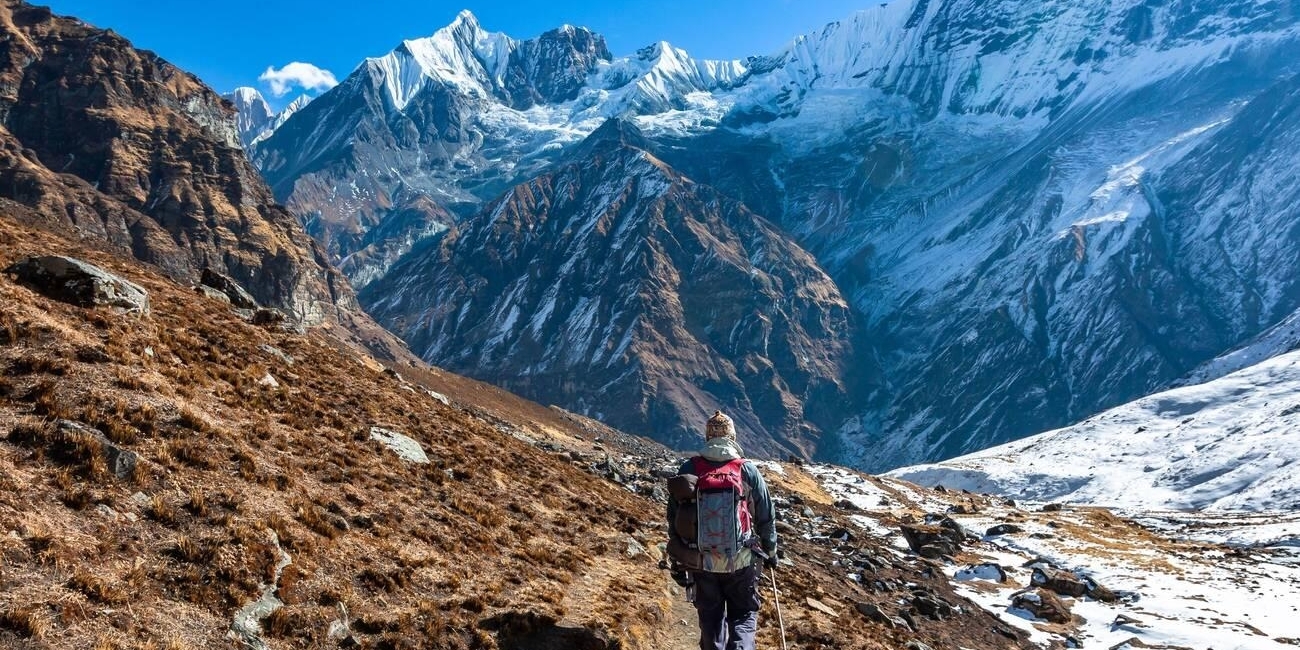
Nepal is celebrated as one of the world's premier trekking destinations, drawing adventurers from all corners of the globe. With its majestic Himalaya...

Nepal is known for its stunning trekking routes that attract adventurers from all around the world. While some treks in Nepal may require weeks of eff...
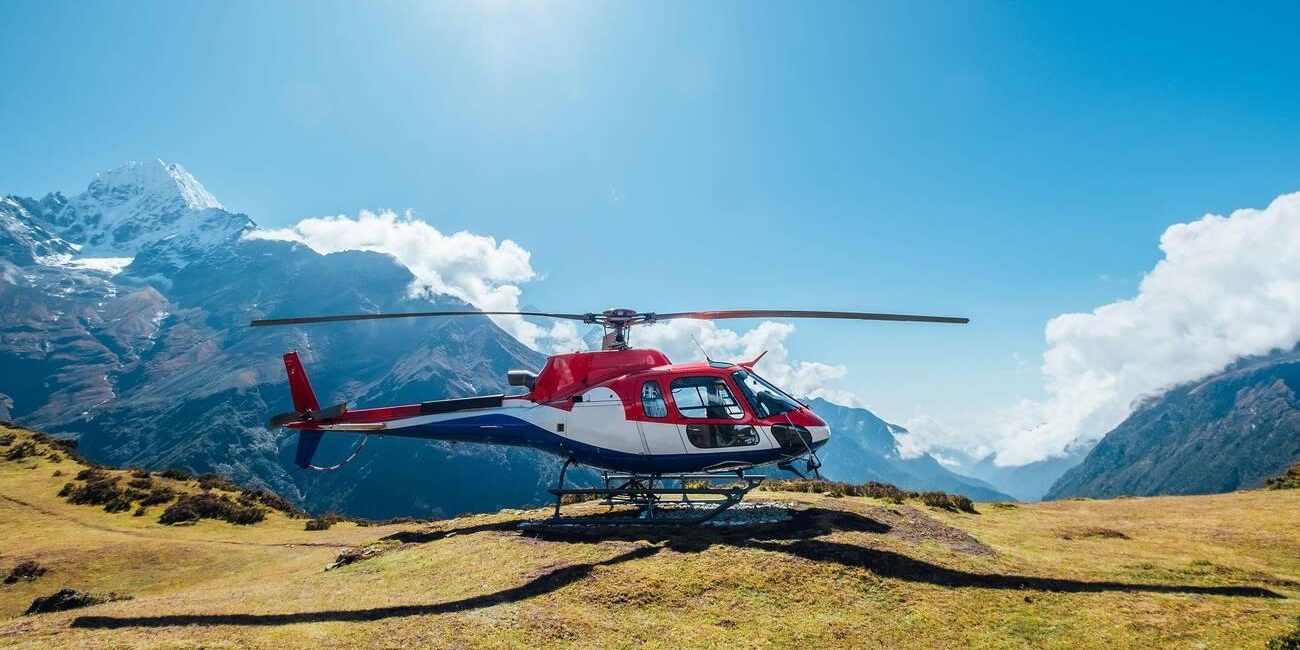
Nepal, with its rugged terrain, soaring mountains, and ancient cultural heritage, offers one of the most breathtaking experiences for helicopter tours...



